

For most of the year, the Brindellone rests here in stillness. Rising nearly eleven metres high, this extraordinary wooden cart dates back to the 15th century, adorned with the emblems of Florence’s historic districts and intricate details restored year after year.
The preparations are entrusted to the Soldi family, custodians of the cart and its fireworks since 1869.
Fulvio Soldi, alongside his son and extended family, carries forward a knowledge shaped by repetition, precision, and time.
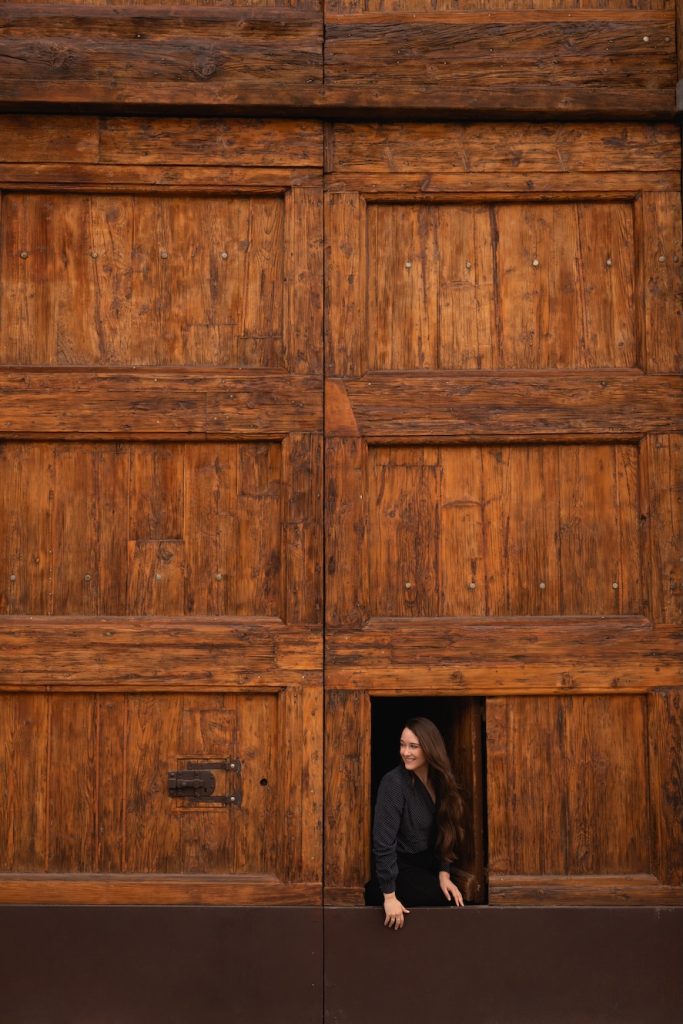
Beyond these unassuming doors, history is not preserved—it is prepared.
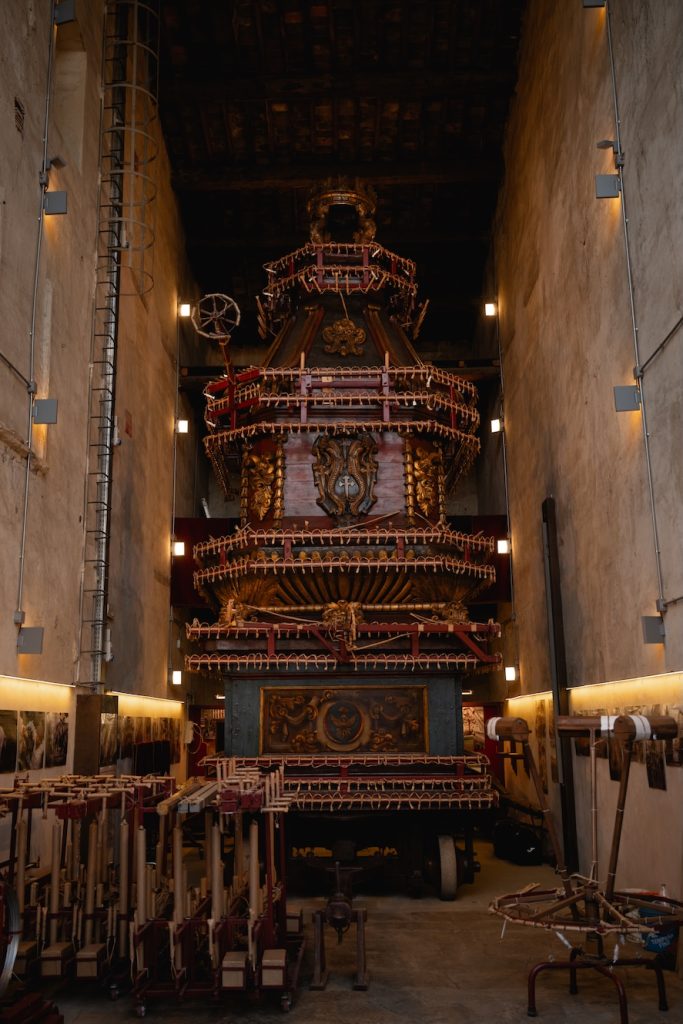
Stepping inside, the scale is immediate, almost disorienting—a monument not confined to memory, but physically present, enduring.
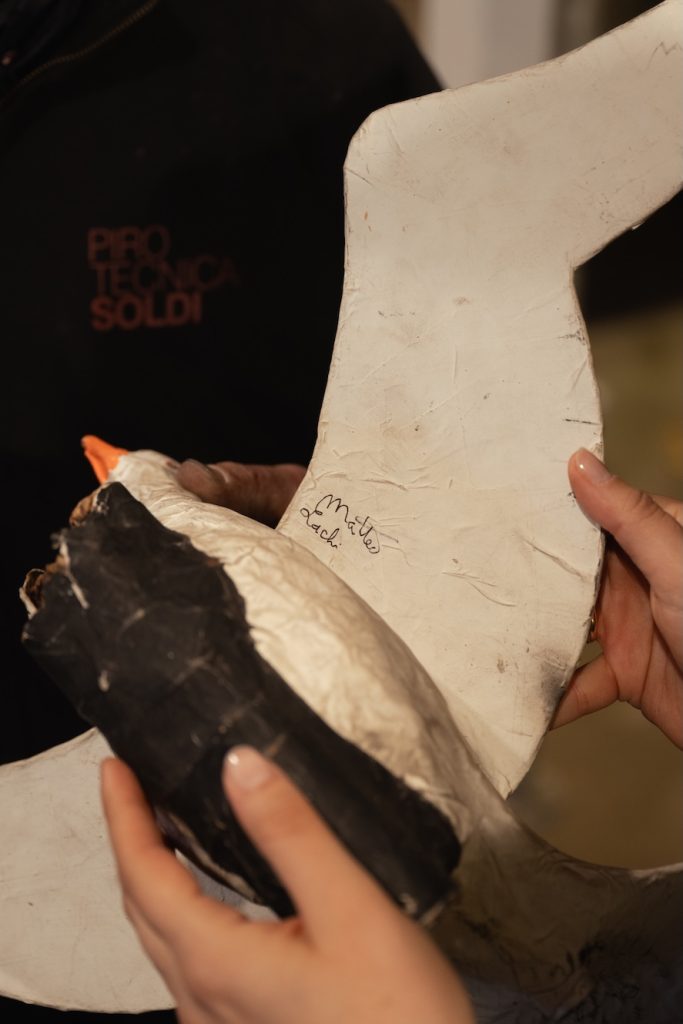
Only a few are invited to cross this threshold. Here, the ritual begins long before it is seen.
From a close vantage point, every gesture reveals its weight. Hundreds of fireworks are assembled piece by piece, each movement deliberate yet instinctive—what could only be described as sprezzatura, the quiet mastery of something done a thousand times before.
Hidden within the structure, the inscription “Cosimus” remains—a discreet reminder of a ritual that has unfolded in much the same way for nearly five centuries.

At dawn, the great wooden doors open.
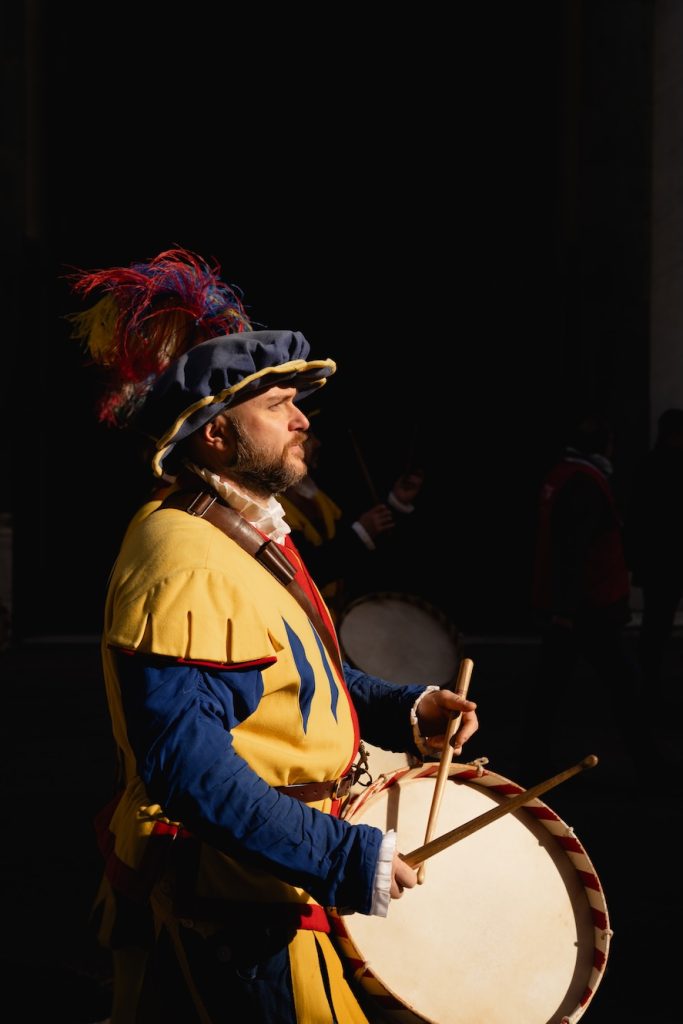
Four Chianina oxen, chosen for their strength and presence, are adorned and guided through the city in a solemn procession. They draw the Brindellone across Florence, accompanied by the Historical Parade of the Florentine Republic—musicians, flag-bearers, and soldiers marking the passage of time through ritual.

The cart reaches the Cathedral of Santa Maria del Fiore.
At the height of the Easter Mass, as the Gloria in Excelsis Deo fills the nave, the Colombina—a small dove-shaped rocket—travels along a wire from the altar to the square outside, carrying the sacred fire. In a single, precise moment, it ignites the cart.
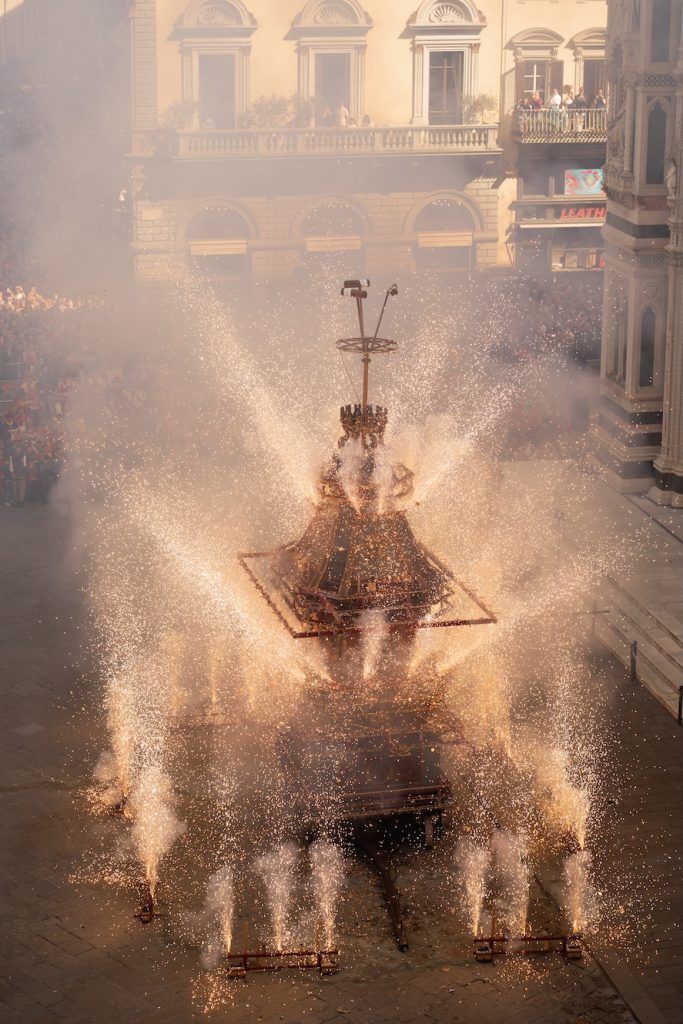
What follows is not only spectacle, but expectation.
A perfect sequence promises prosperity for the year ahead.
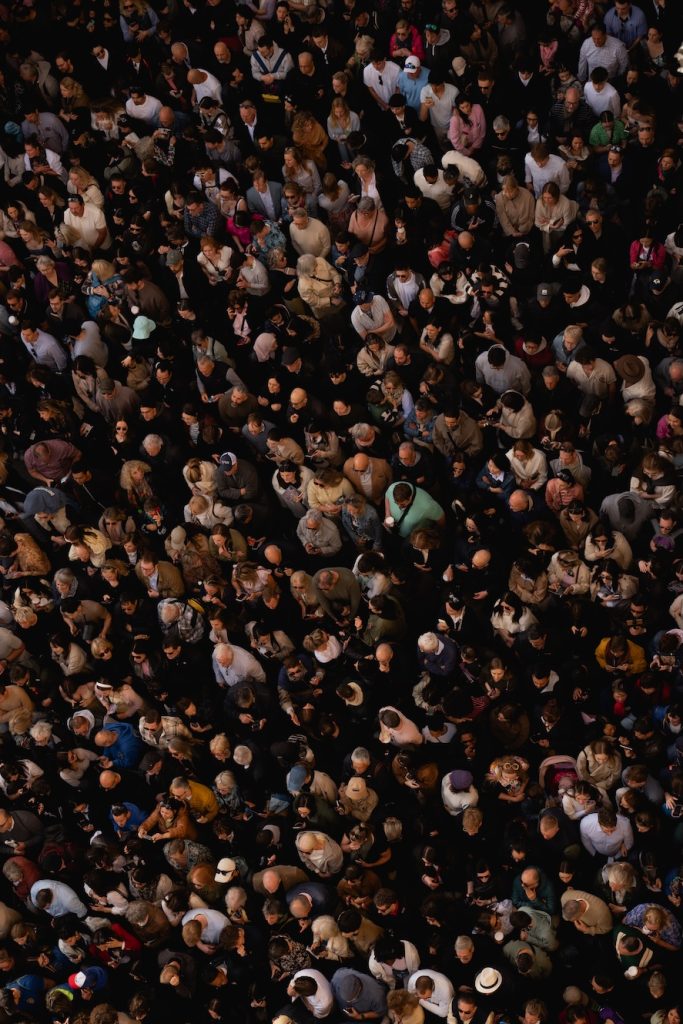
Any hesitation, any imperfection, is met with quiet unease—as if the balance between past and future had briefly faltered.
When the final spark fades, the Brindellone returns to its resting place.
The doors close once more, and the cart disappears back into the dark—unchanged, waiting.
For nearly five centuries, this ritual has remained the same in essence, binding the city through a shared memory that continues to renew itself, year after year.
And like Florence itself, it endures by evolving—without ever losing sight of where it began.
Just steps from the Duomo, the Paolo Penko atelier preserves a different, yet equally enduring expression of this heritage.
For four generations, the Penko family has translated Florence’s symbols into finely crafted gold, drawing from centuries of iconography rooted in the city’s religious and civic identity.
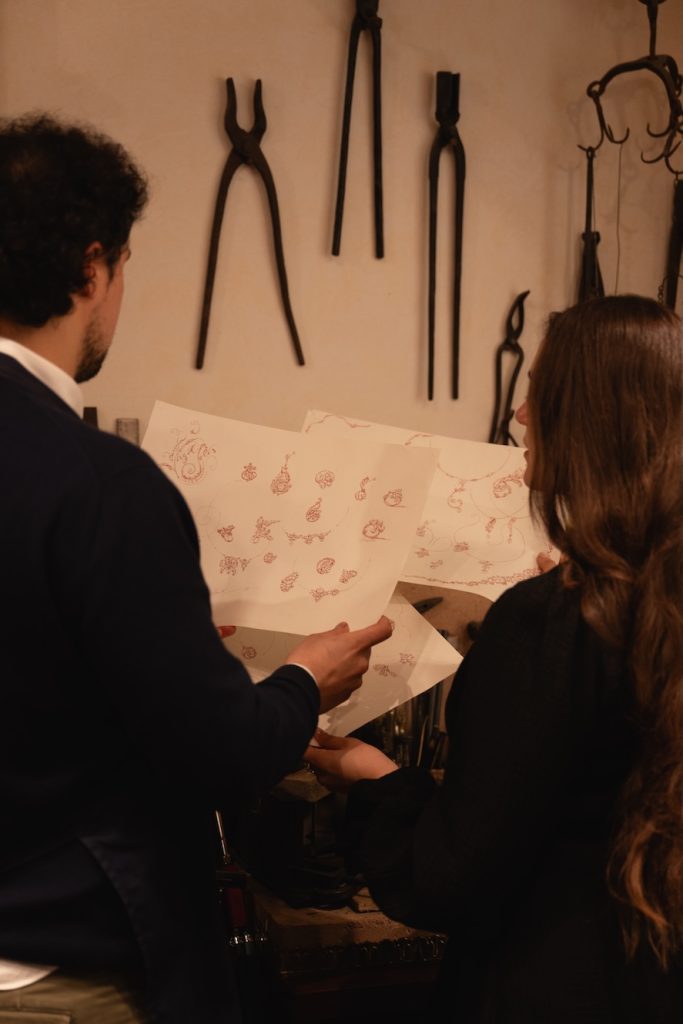
Motifs of resurrection, protection, and renewal—so present during Easter—are reinterpreted through precious materials.
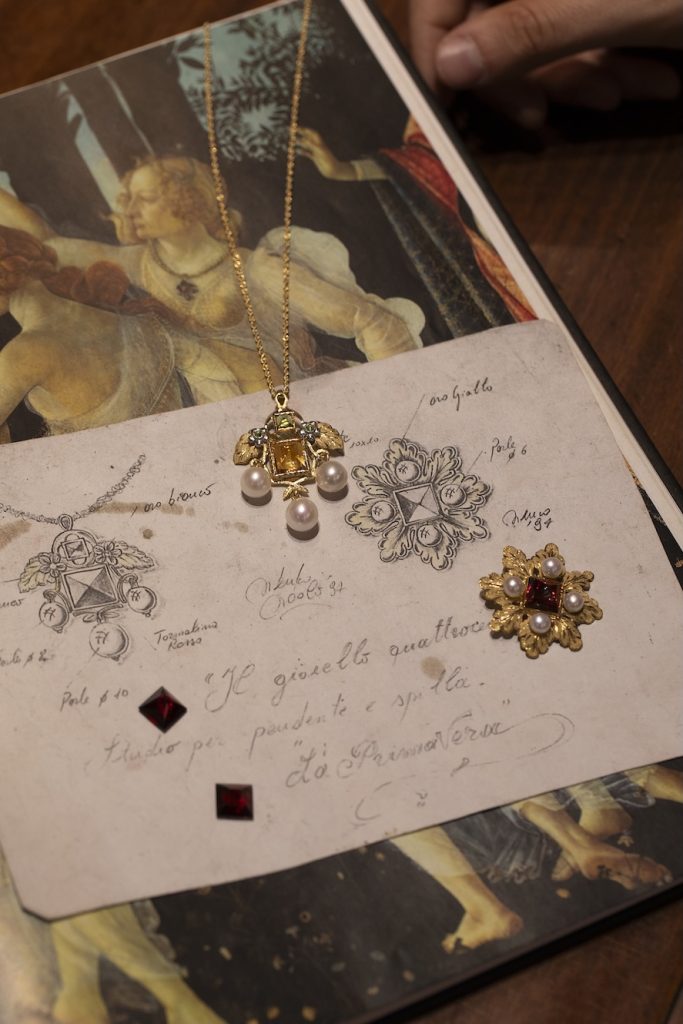
The Florentine lily, the cross, the dove: each element carries a meaning that extends far beyond ornament, becoming a quiet continuation of the same cultural narrative.
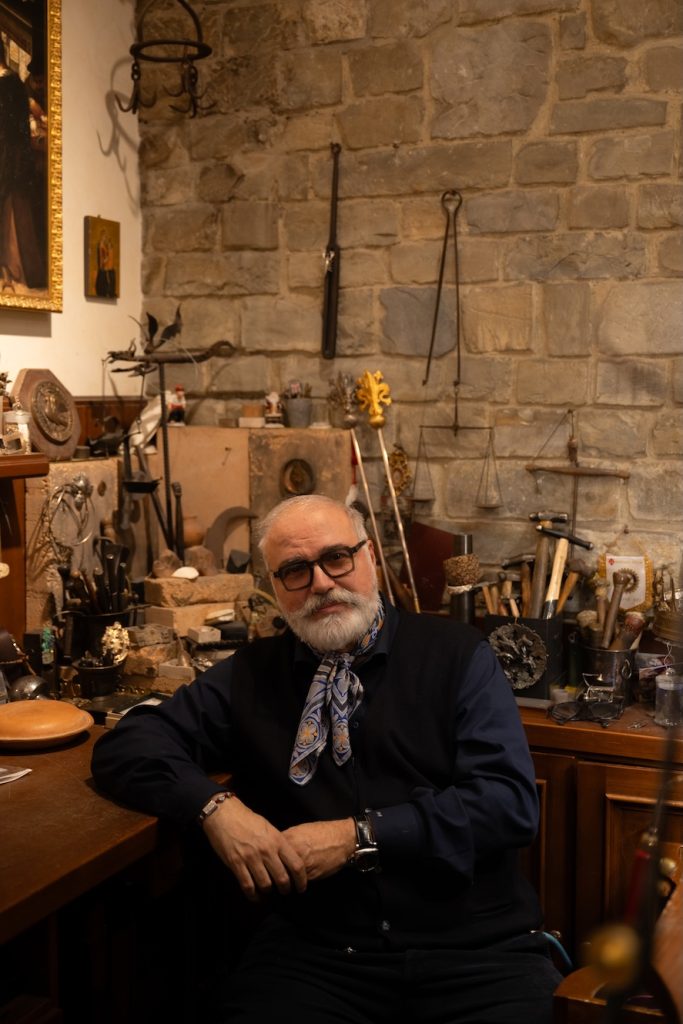
From the Brindellone in the square to the goldsmith’s bench, Florence’s rituals endure not only in spectacle, but in the hands that carry them forward.
